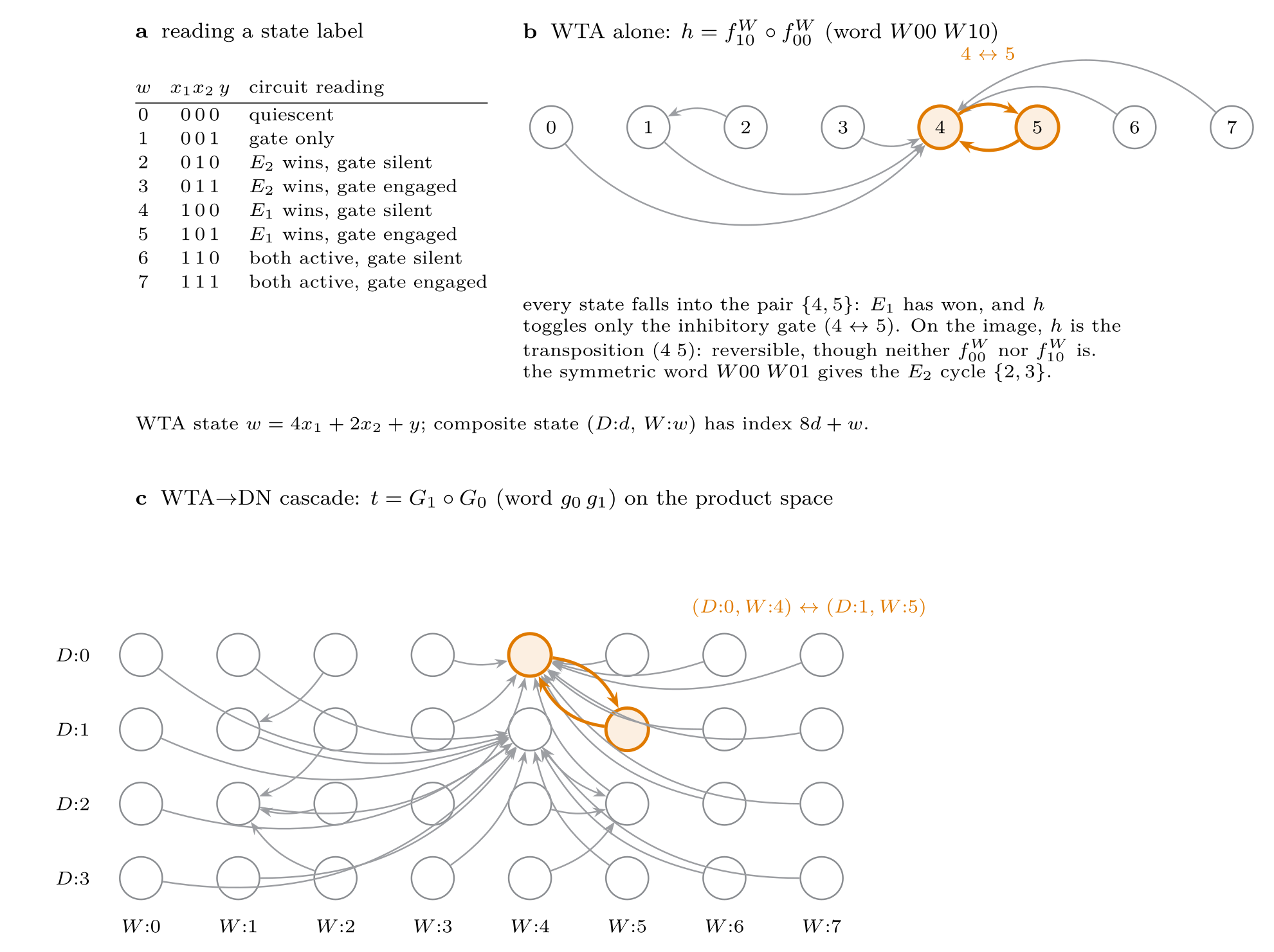
Physical computing: a category theoretic perspective on physical computation and system compositionality
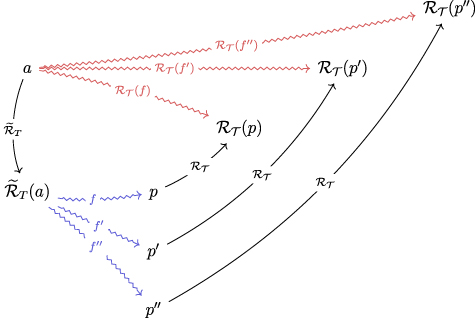
Summary
This paper introduces an abstract mathematical framework to redefine what constitutes a physical computing system, particularly in light of modern quantum and non-classical computing architectures. By leveraging category theory, the study formalizes the relational structures and compositional rules that govern how physical processes implement abstract algorithms. This framework provides a rigorous method for analyzing how complex computational processes map across different physical substrates, offering a unified language for studying system design, hardware-software abstraction, and multiple realizability.
Links
BibTeX tap to expand
@article{Dehghani_catcomp_2024,
doi = {10.1088/2632-072X/ad6051},
url = {https://doi.org/10.1088/2632-072X/ad6051},
year = {2024},
month = {jul},
publisher = {IOP Publishing},
volume = {5},
number = {3},
pages = {035005},
author = {Dehghani, Nima and Caterina, Gianluca},
title = {Physical computing: a category theoretic perspective on physical computation and system compositionality},
journal = {Journal of Physics: Complexity},
}
Code & Data
The room
Abstract
This paper introduces a category theory-based framework to redefine physical computing in light of advancements in quantum computing and non-standard computing systems. By integrating classical definitions within this broader perspective, the paper rigorously recontextualizes what constitutes physical computing devices and processes. It demonstrates how the compositional nature and relational structures of physical computing systems can be coherently formalized using category theory. This approach not only encapsulates recent formalisms in physical computing but also offers a structured method to explore the dynamic interactions within these systems.
Citing
If you use this code or build on these ideas, please cite the paper using the BibTeX entry above.
Doors · concepts in this room
Related rooms
How Long Is the Coast of a Neuron? Resolution-Dependent Interaction Order and Computational Capacity
Field closure, ice neurons, and when a dendrite is a motif