⌥ The Maze · all rooms
Papers
Publications, preprints, and code companions. Click a tag to filter; select multiple tags to narrow the intersection.
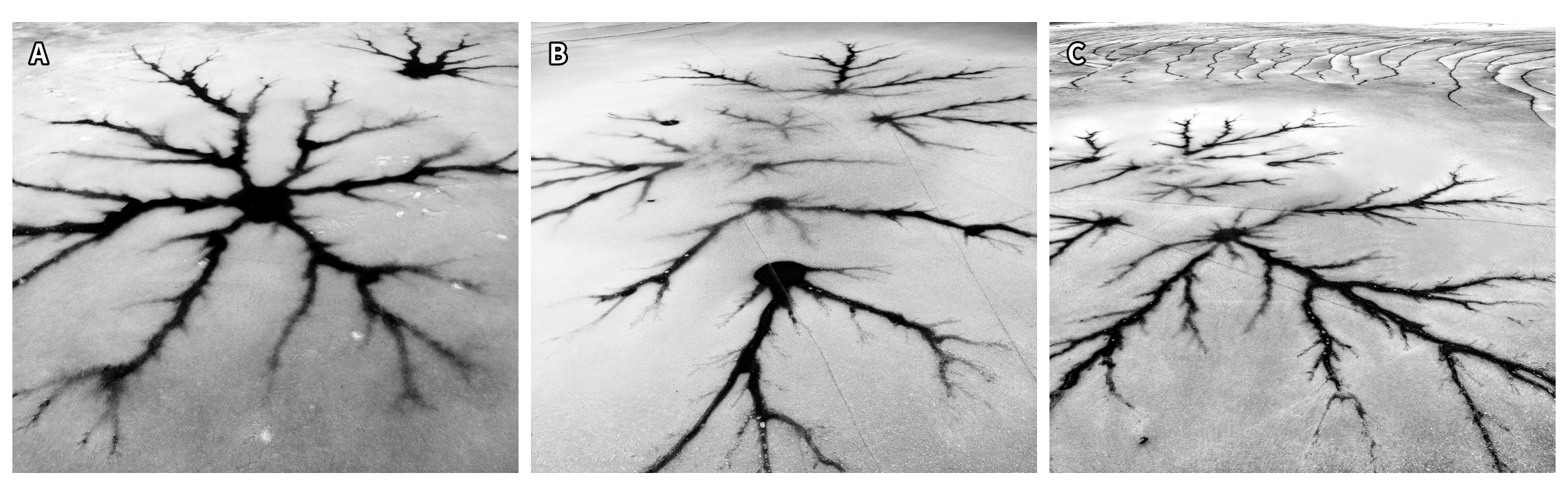
Room 1 · 2026 · arXiv
Field closure, ice neurons, and when a dendrite is a motif
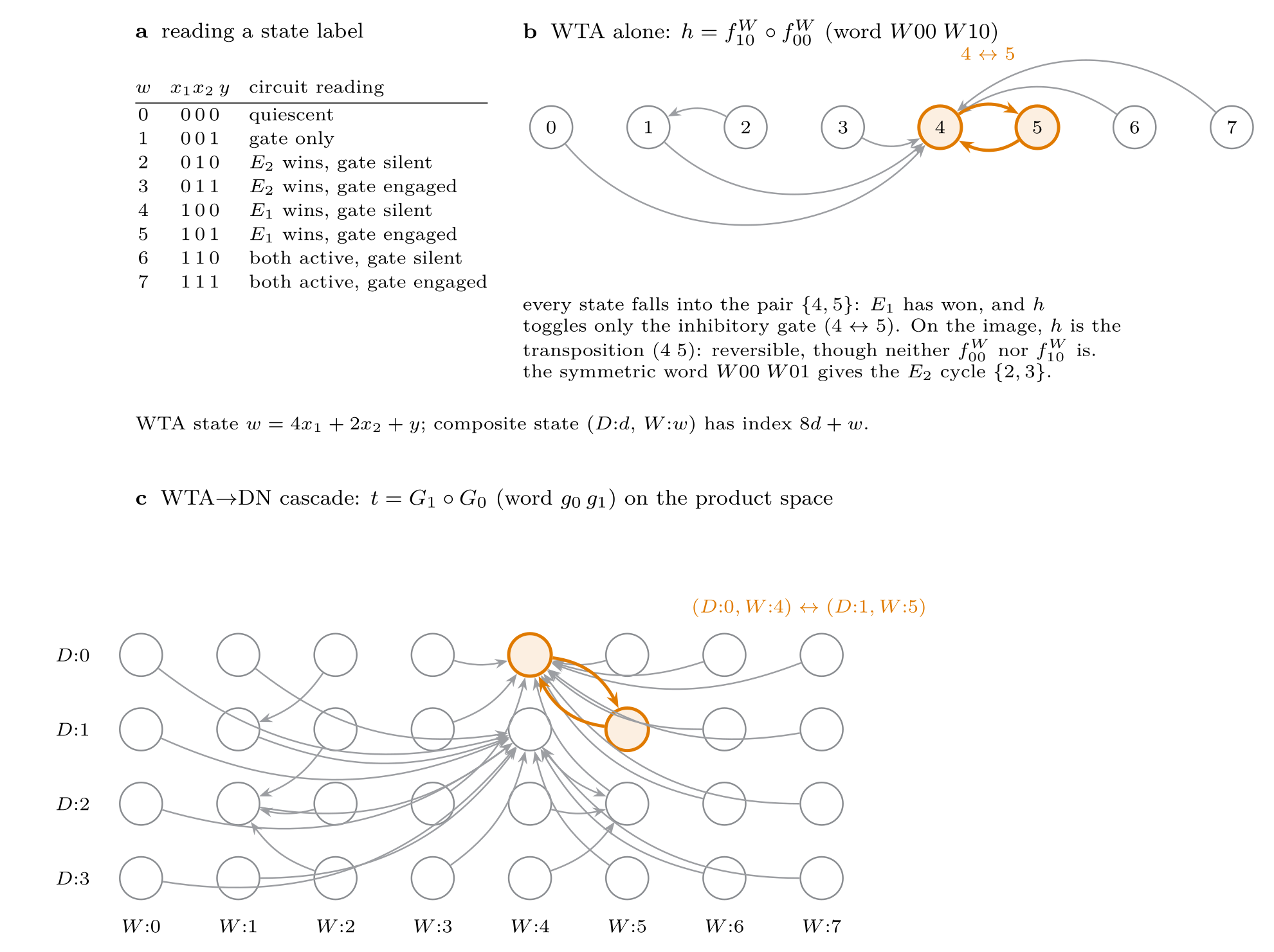
Room 2 · 2026 · arXiv
Algebraic Emergence of Effective Theories in Canonical Recurrent Motifs of Biological Neuronal Networks
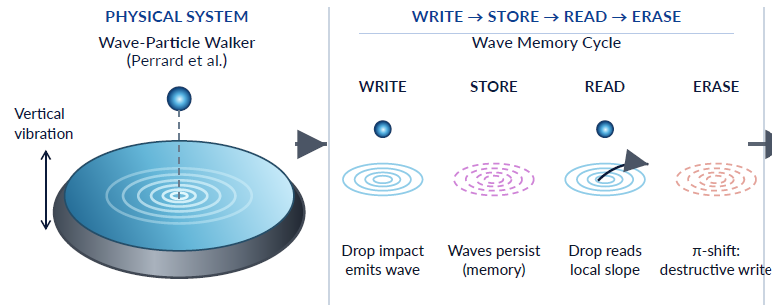
Room 3 · 2026 · arXiv
Autonomous Physical Computation: A Categorical Closure Criterion for Physical and Neuromorphic Reservoirs.
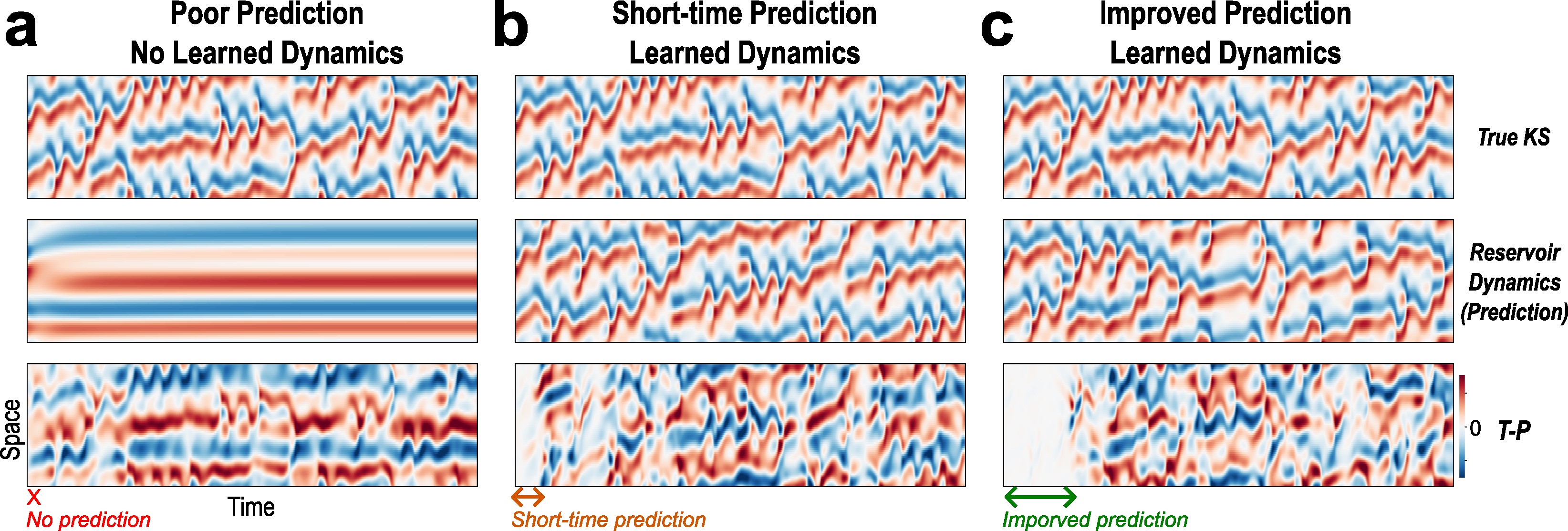
Room 4 · 2026 · arXiv
Evolutionary Optimization Reveals Structural Constraints on Reservoir Architecture for Spatiotemporal Chaos
Room 5 · 2026 · arXiv
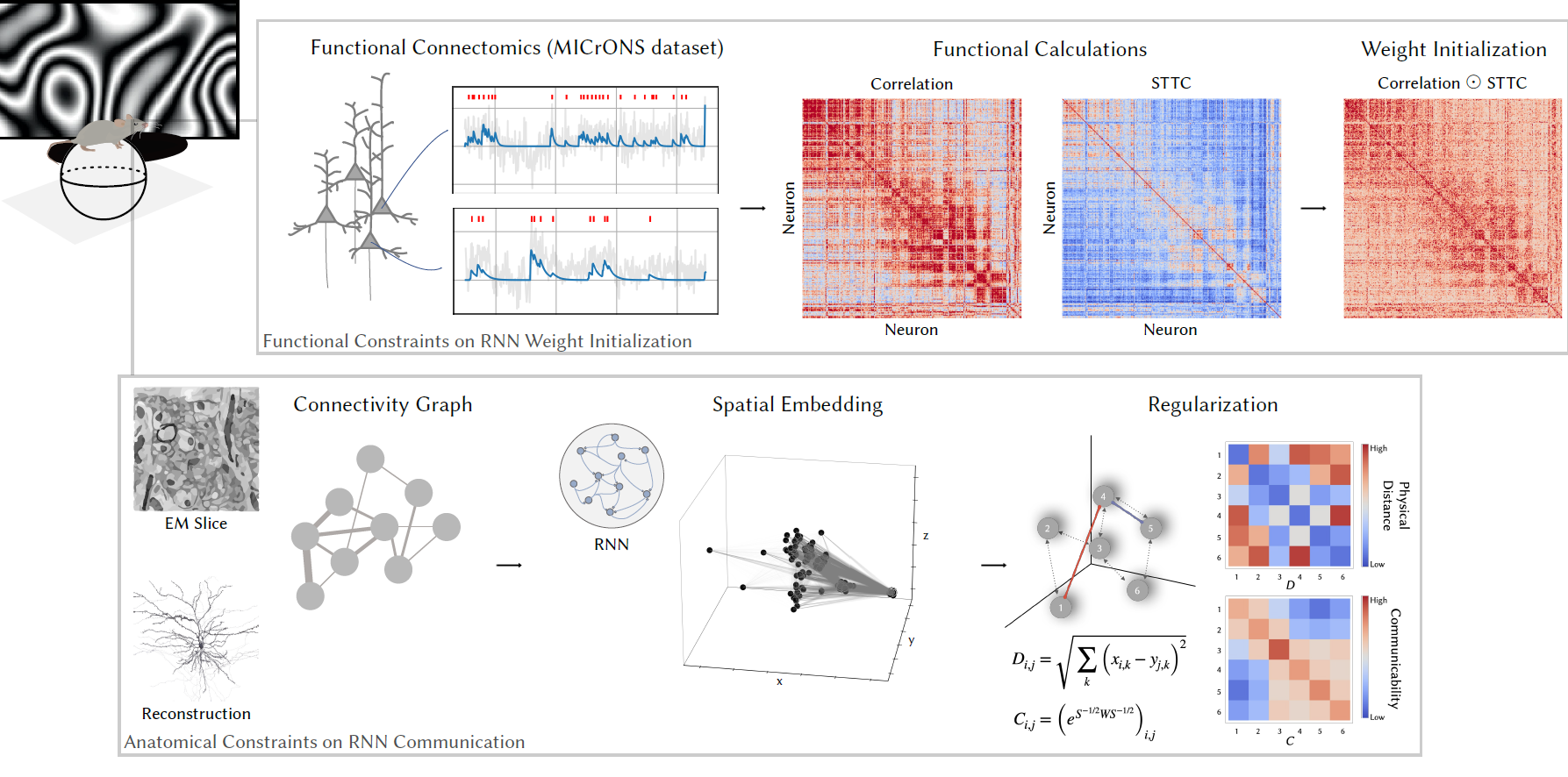
Harnessing cortical geometry, wiring, and function as inductive biases for recurrent neural networks
Room 6 · 2017 · Scientific Reports
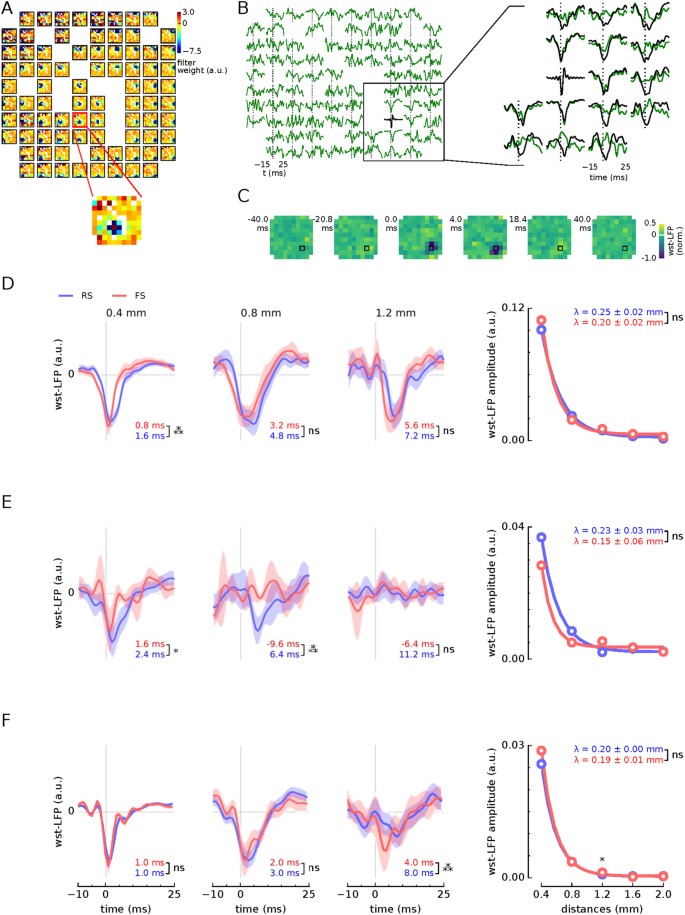
Local field potentials primarily reflect inhibitory neuron activity in human and monkey cortex
Room 7 · 2018 · Frontiers in Computational Neuroscience
Theoretical Principles of Multiscale Spatiotemporal Control of Neuronal Networks: A Complex Systems Perspective
Room 8 · 2025 · arXiv
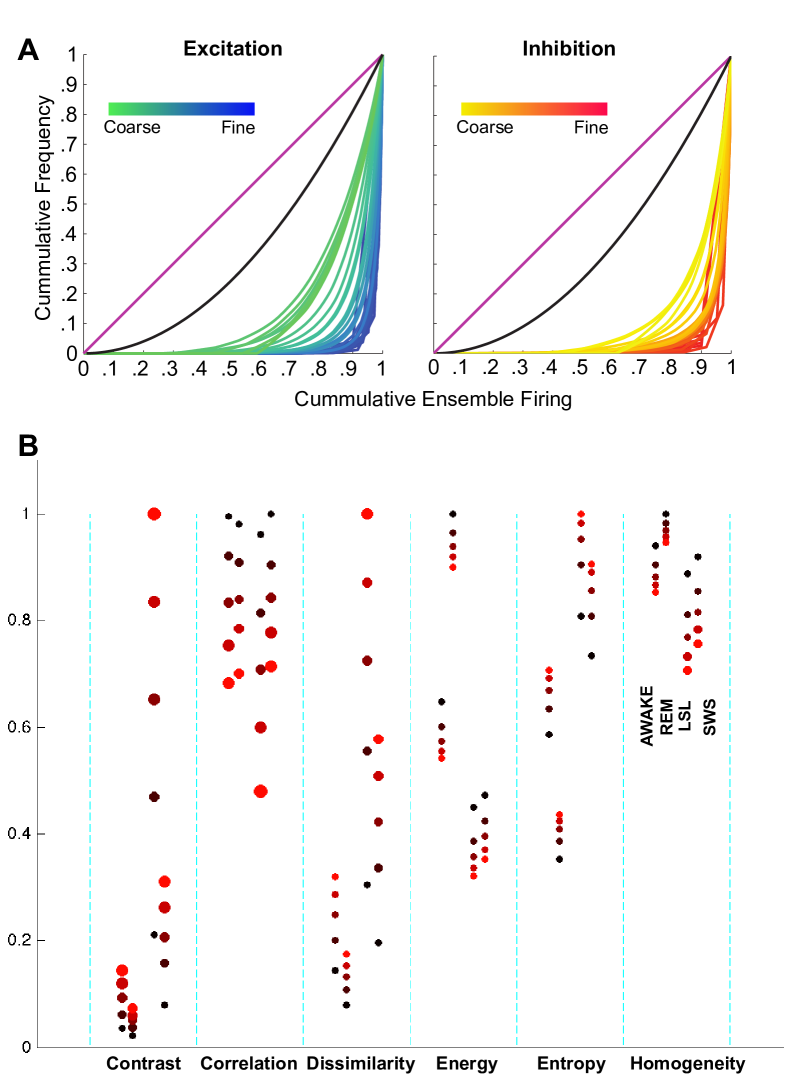
Symmetry’s Edge in Cortical Dynamics Multiscale Dynamics of Ensemble Excitation and Inhibition
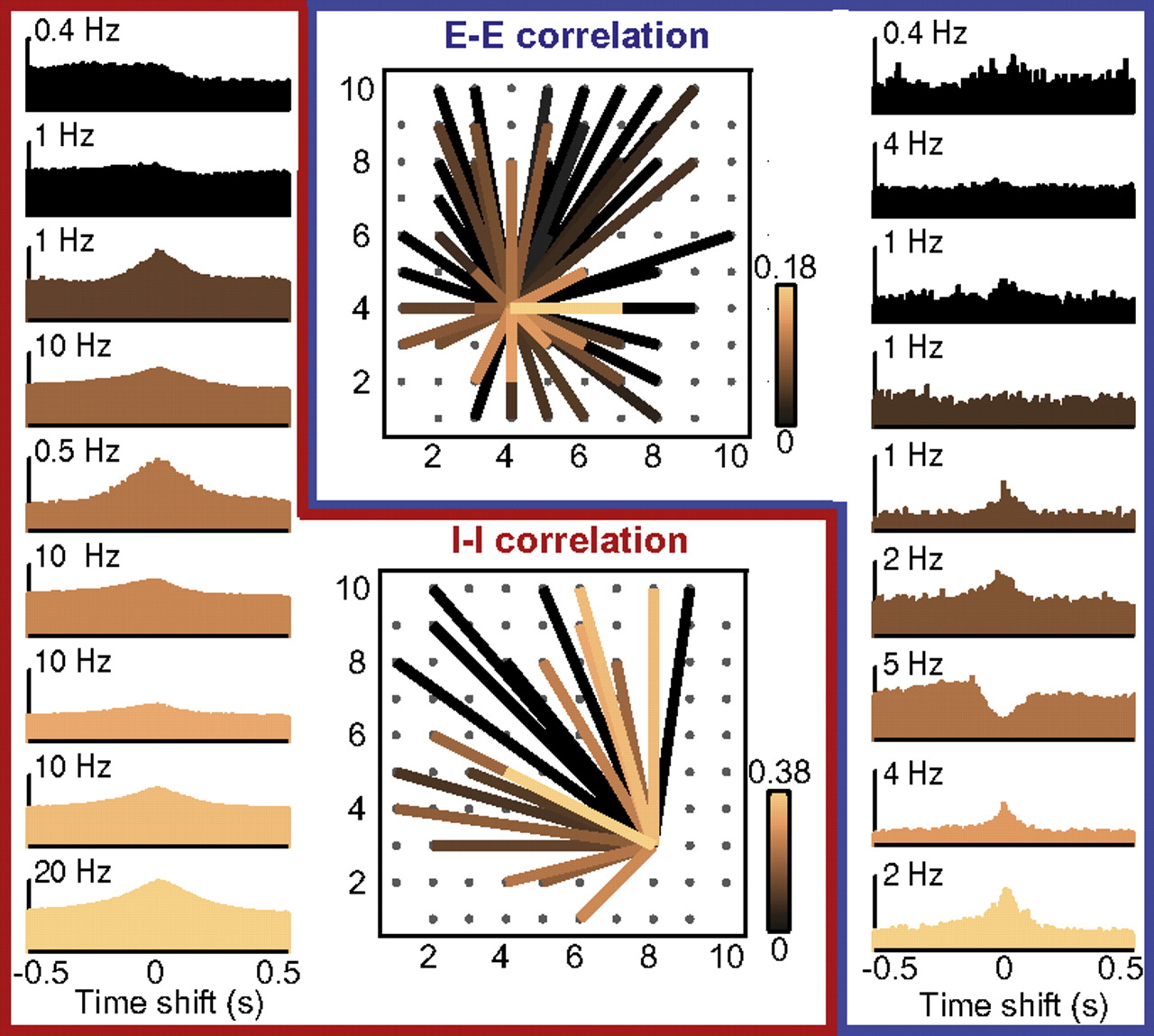
Room 9 · 2012 · PNAS
Spatiotemporal dynamics of neocortical excitation and inhibition during human sleep

Room 10 · 2026 · arXiv
Spatially Masked Regression Reveals Local and Distributed Predictability in Electrophysiological Recording
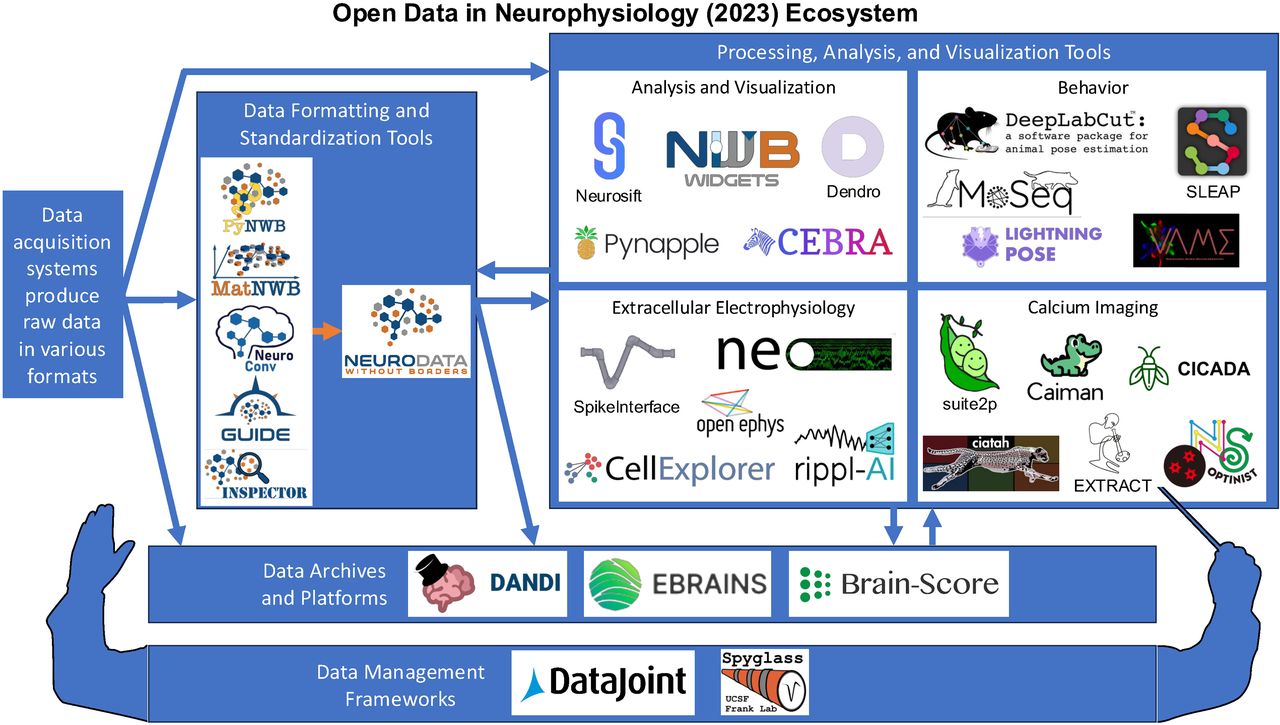
Room 11 · 2025 · eNeuro
Open Data In Neurophysiology: Advancements, Solutions & Challenges
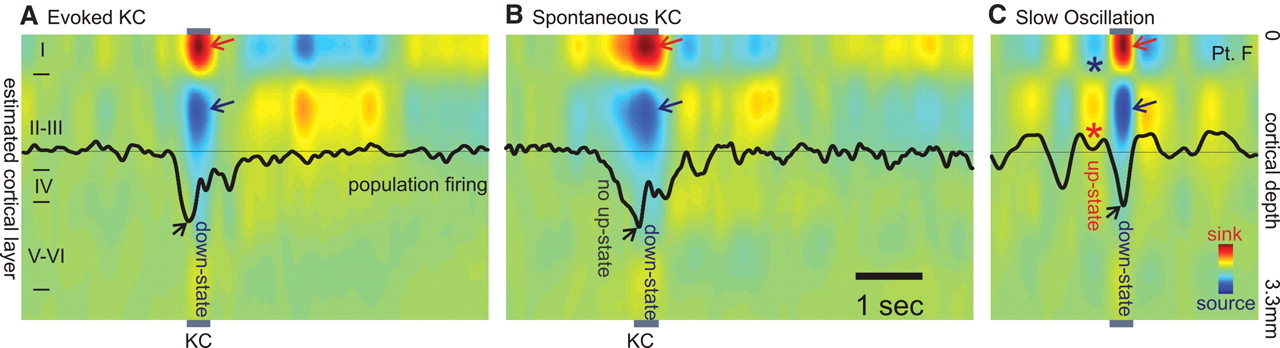
Room 12 · 2009 · Science
The Human K-Complex as an Isolated Cortical "Down-State"
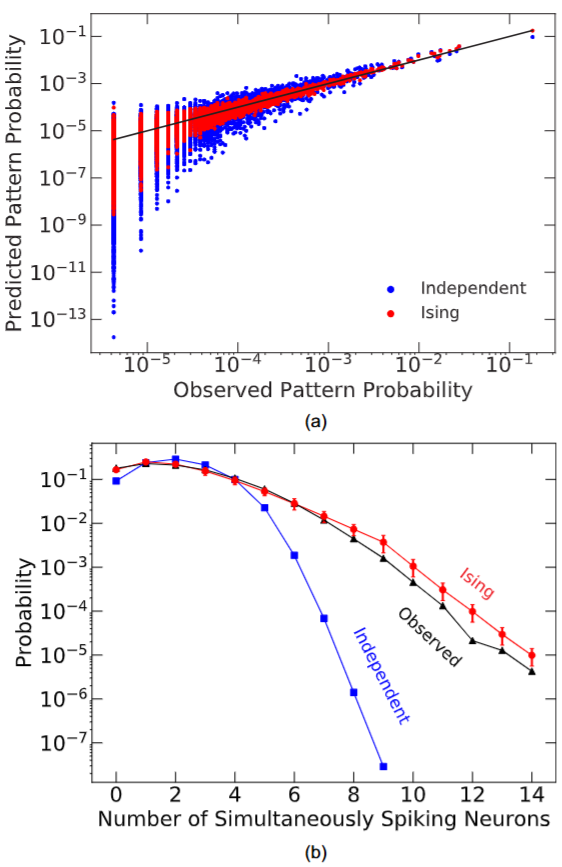
Room 13 · 2019 · Physica Review E
Ensemble inhibition and excitation in the human cortex: An Ising-model analysis with uncertainties
Room 14 · 2026 · arXiv
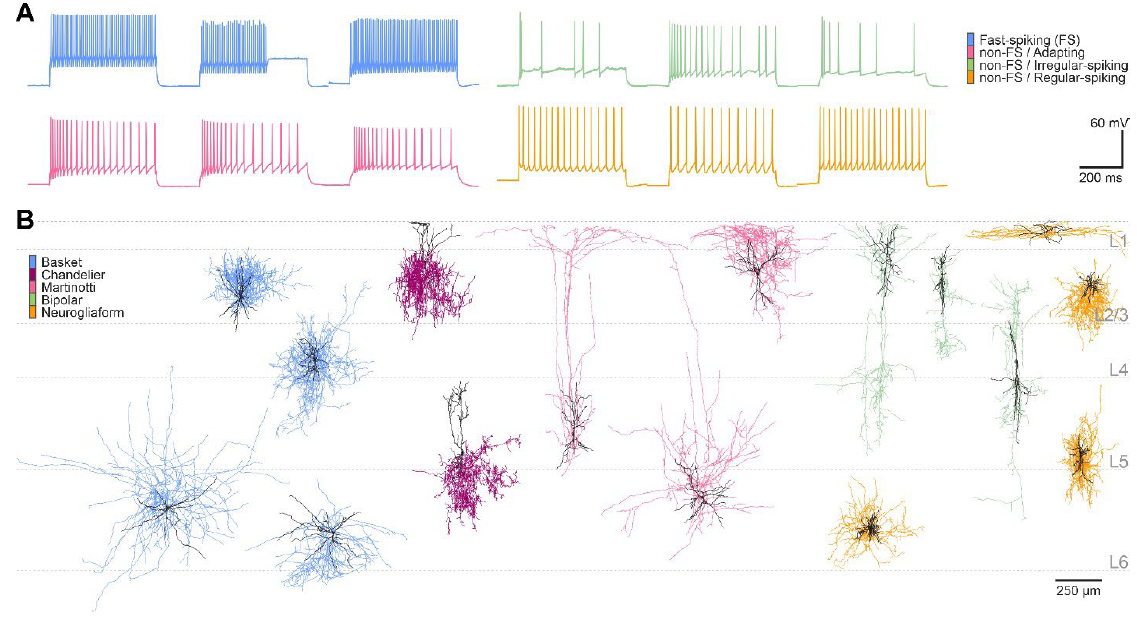
Morphoelectric properties of inhibitory neurons shift gradually and regardless of cell type along the depth of the cerebral cortex
Room 15 · 2012 · Human Brain Mapping
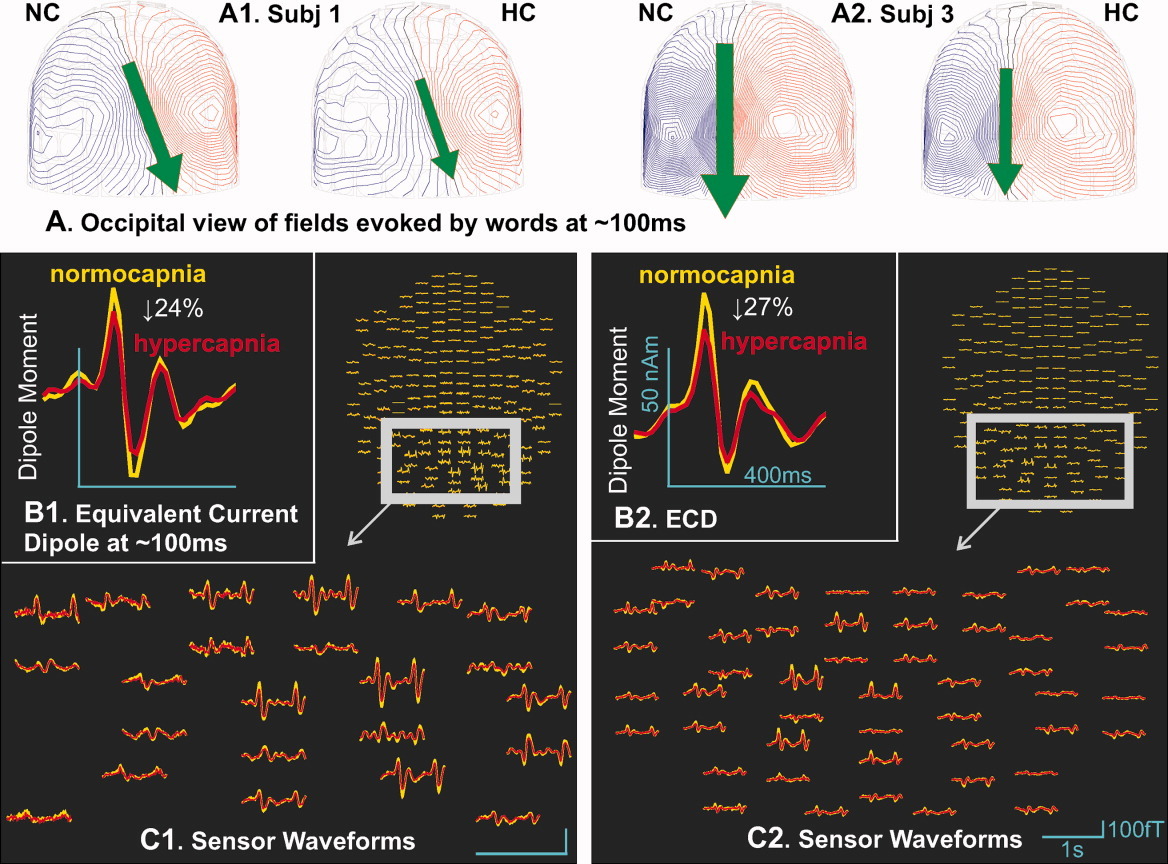
Depression of cortical activity in humans by mild hypercapnia
Room 16 · 2010 · Journal of Computational Neuroscience
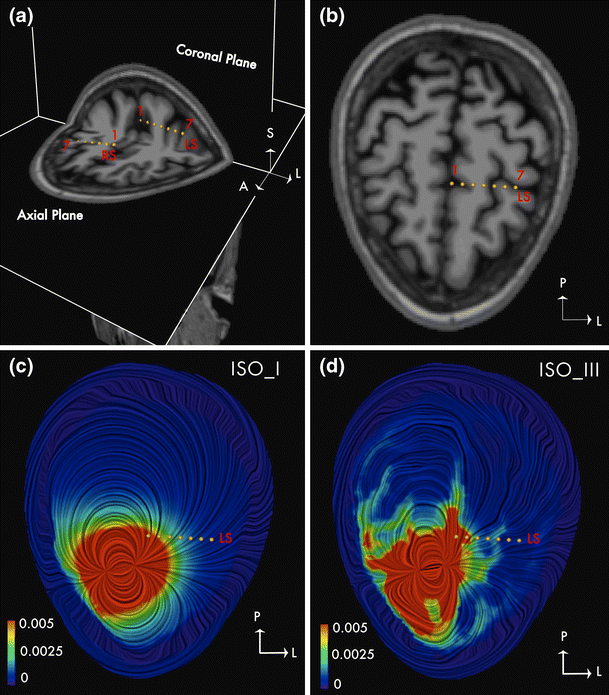
Experimental validation of the influence of white matter anisotropy on the intracranial EEG forward solution
Room 17 · 2017 · Scientific Reports
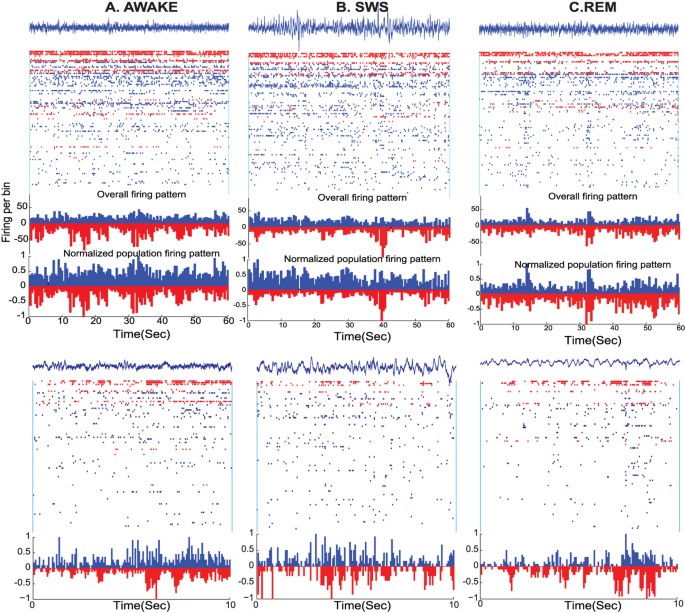
Dynamic Balance of Excitation and Inhibition in Human and Monkey Neocortex
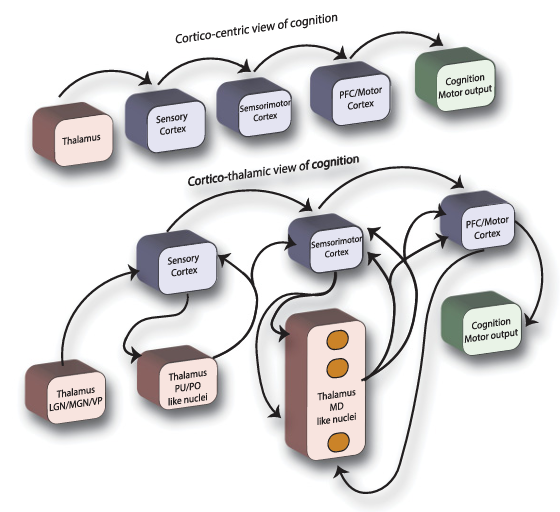
Room 18 · 2019 · Nerual Computation
A Computational Perspective of the Role of the Thalamus in Cognition
Room 19 · 2024 · Plos Complex systems
Systematizing cellular complexity: A Hilbertian approach to biological problems
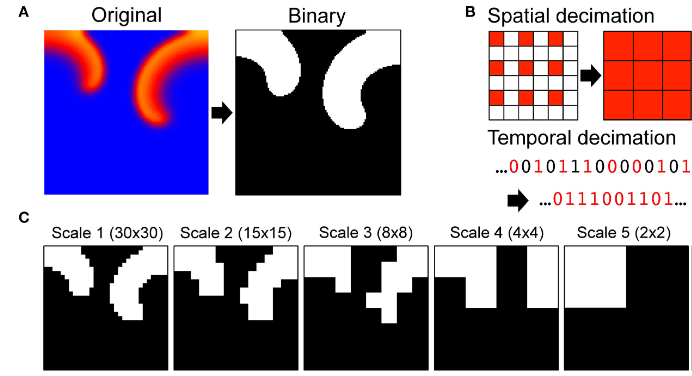
Room 20 · 2018 · Frontiers in Computational Physics
Causal Scale of Rotors in a Cardiac System
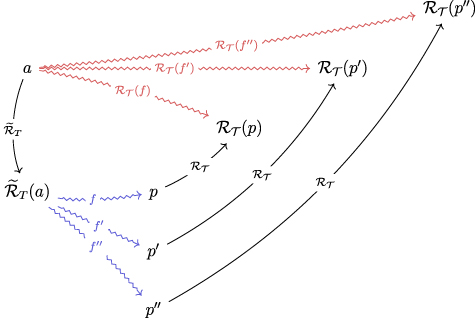
Room 21 · 2024 · Journal of Physics: Complexity
Physical computing: a category theoretic perspective on physical computation and system compositionality
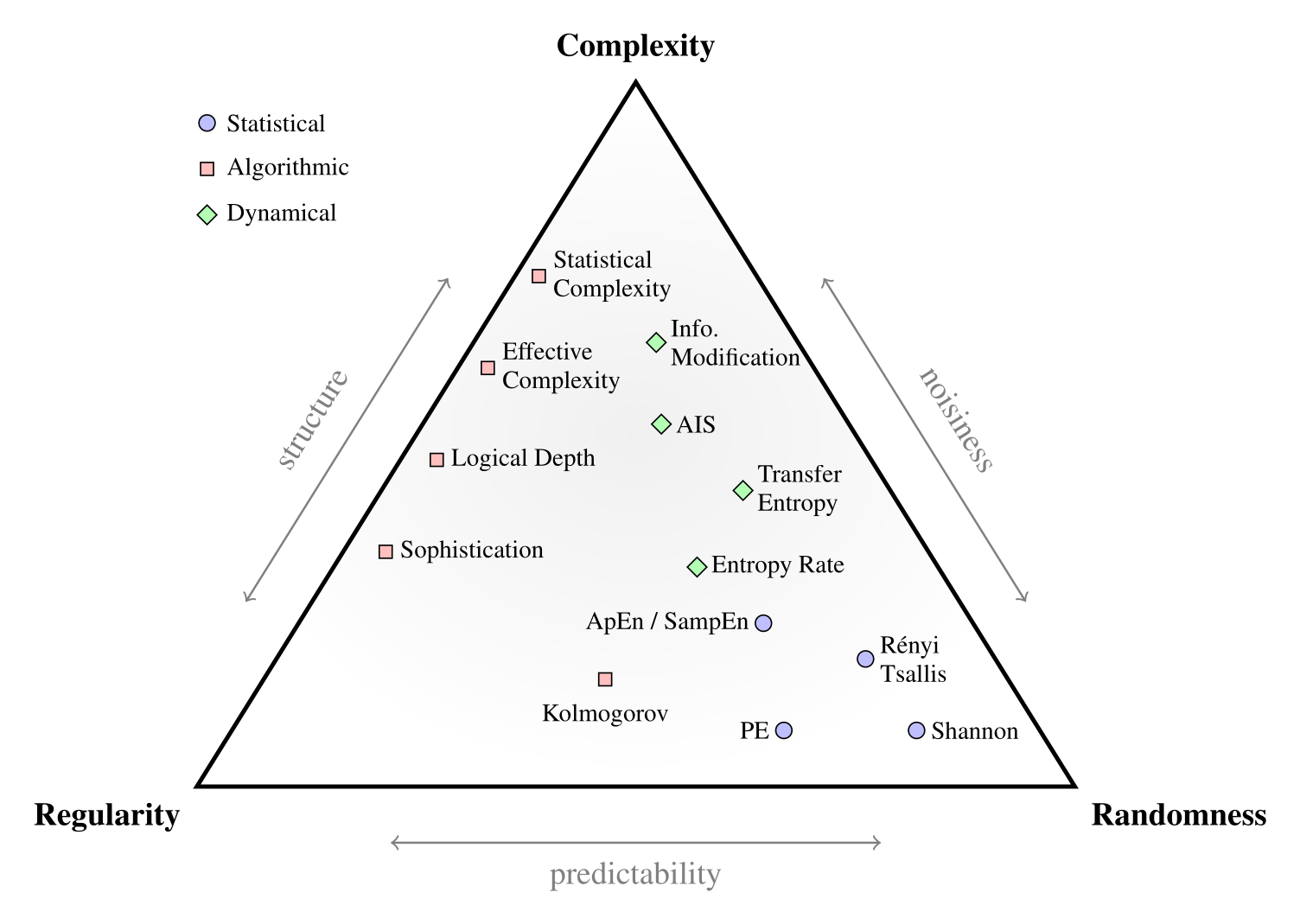
Room 22 · 2025 · arXiv
Compression, Regularity, Randomness and Emergent Structure: Rethinking Physical Complexity in the Data-Driven Era
Room 23 · 2024 · arXiv
Bio-inspired AI: Integrating Biological Complexity into Artificial Intelligence
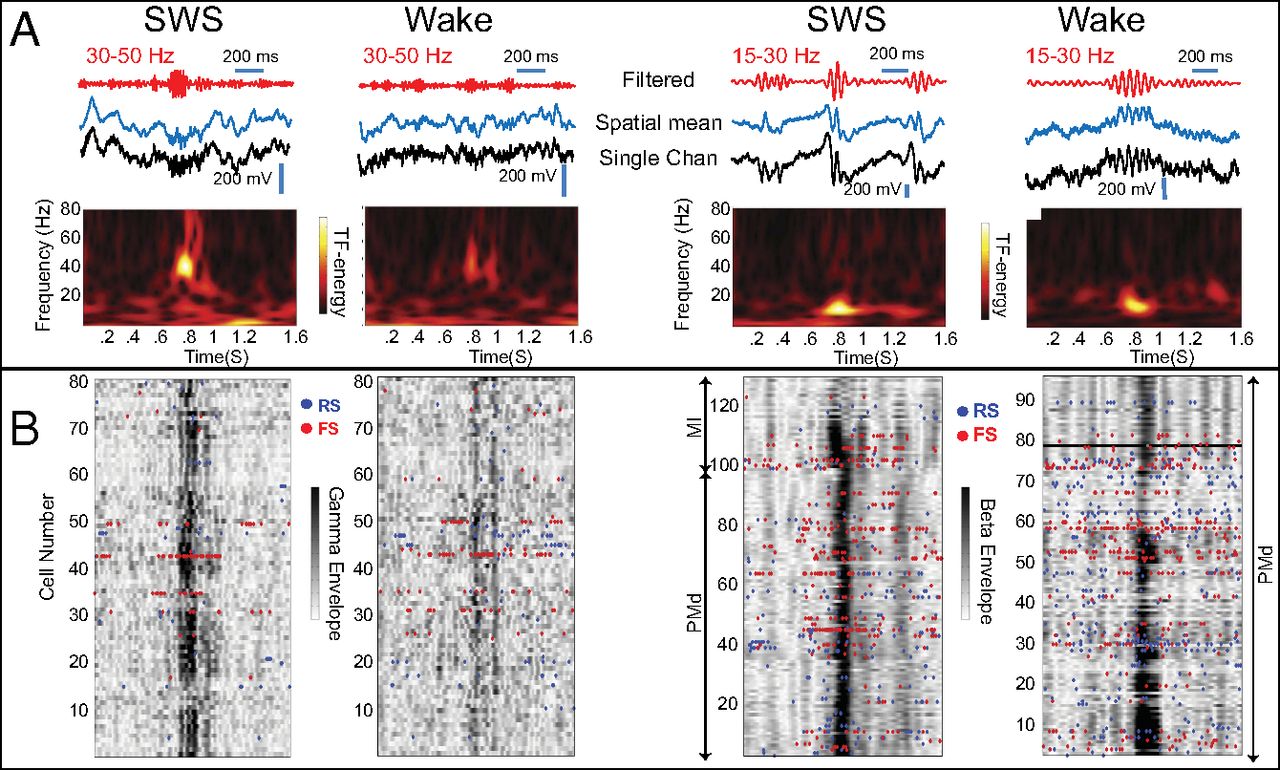
Room 24 · 2016 · PNAS
High-frequency oscillations in human and monkey neocortex during the wake–sleep cycle
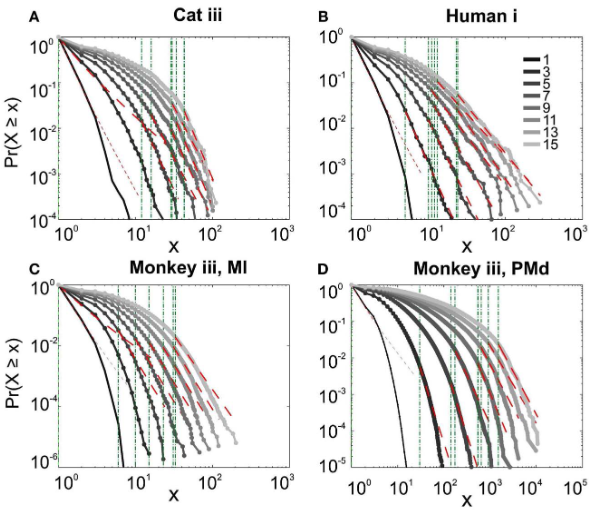
Room 25 · 2012 · Frontiers in Physiology
Avalanche Analysis from Multielectrode Ensemble Recordings in Cat, Monkey, and Human Cerebral Cortex during Wakefulness and Sleep
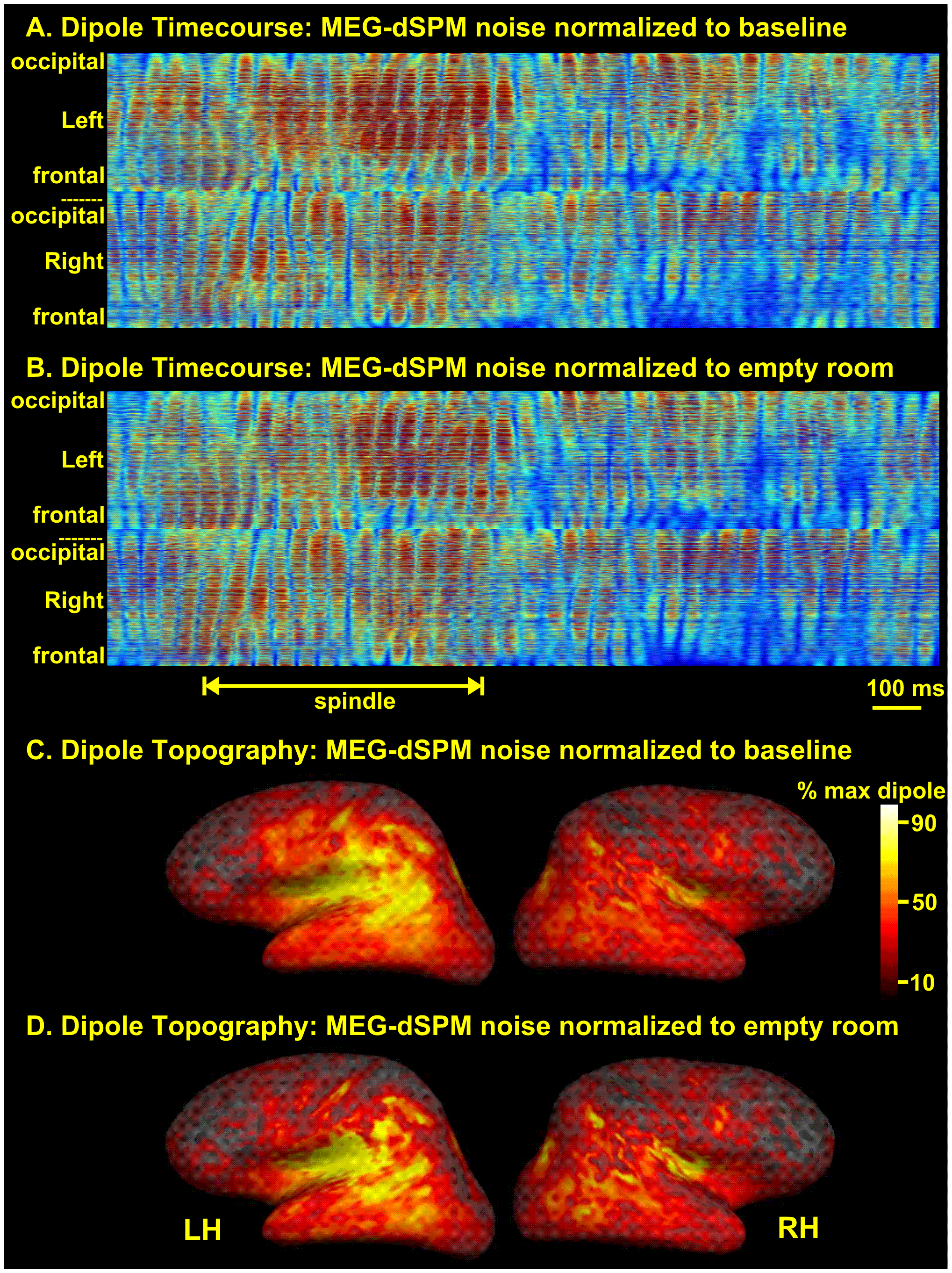
Room 26 · 2010 · Plos One
Divergent Cortical Generators of Sleep Spindles
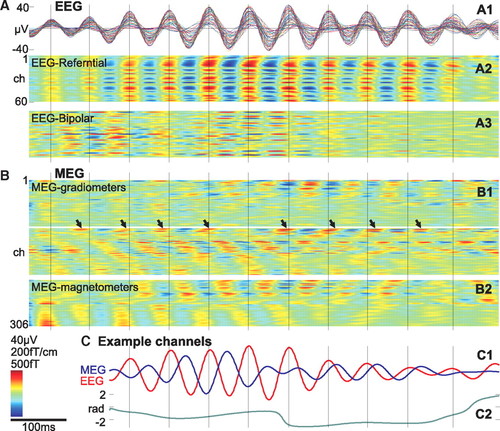
Room 27 · 2010 · Journal Of Physiology
Magnetoencephalography Demonstrates Multiple Asynchronous Generators During Human Sleep Spindles
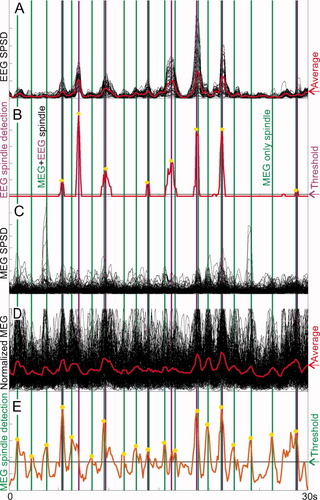
Room 28 · 2011 · Human Brain Mapping
Emergence of synchronous EEG spindles from asynchronous MEG spindles
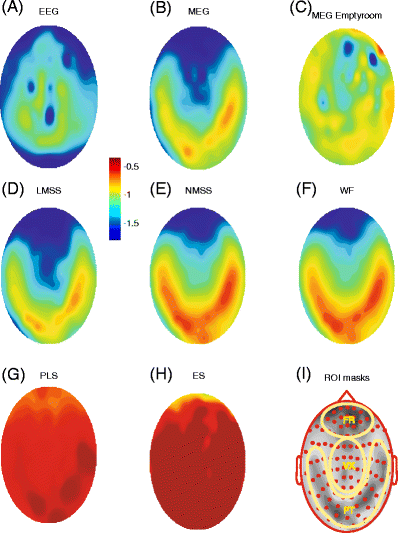
Room 29 · 2010 · Journal of Computational Neuroscience
Comparative power spectral analysis of simultaneous electroencephalographic and magnetoencephalographic recordings in humans suggests non-resistive extracellular media

Room 30 · 2025 · Preprint
Depth as Successive Coarse-Graining in Plain MLPs
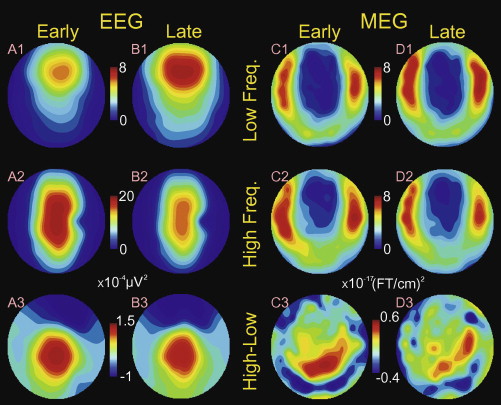
Room 31 · 2011 · Clinical Neurophysiology
Topographical frequency dynamics within EEG and MEG sleep spindles
Depth as Successive Coarse-Graining in Plain MLPs
Preprint
2025
Systematizing cellular complexity: A Hilbertian approach to biological problems
Plos Complex systems
2024
Physical computing: a category theoretic perspective on physical computation and system compositionality
Journal of Physics: Complexity
2024
A Computational Perspective of the Role of the Thalamus in Cognition
Nerual Computation
2019
Theoretical Principles of Multiscale Spatiotemporal Control of Neuronal Networks: A Complex Systems Perspective
Frontiers in Computational Neuroscience
2018
Causal Scale of Rotors in a Cardiac System
Frontiers in Computational Physics
2018
Local field potentials primarily reflect inhibitory neuron activity in human and monkey cortex
Scientific Reports
2017
Dynamic Balance of Excitation and Inhibition in Human and Monkey Neocortex
Scientific Reports
2017
Depression of cortical activity in humans by mild hypercapnia
Human Brain Mapping
2012
Emergence of synchronous EEG spindles from asynchronous MEG spindles
Human Brain Mapping
2011
Topographical frequency dynamics within EEG and MEG sleep spindles
Clinical Neurophysiology
2011
Experimental validation of the influence of white matter anisotropy on the intracranial EEG forward solution
Journal of Computational Neuroscience
2010
Divergent Cortical Generators of Sleep Spindles
Plos One
2010
Magnetoencephalography Demonstrates Multiple Asynchronous Generators During Human Sleep Spindles
Journal Of Physiology
2010
Comparative power spectral analysis of simultaneous electroencephalographic and magnetoencephalographic recordings in humans suggests non-resistive extracellular media
Journal of Computational Neuroscience
2010